
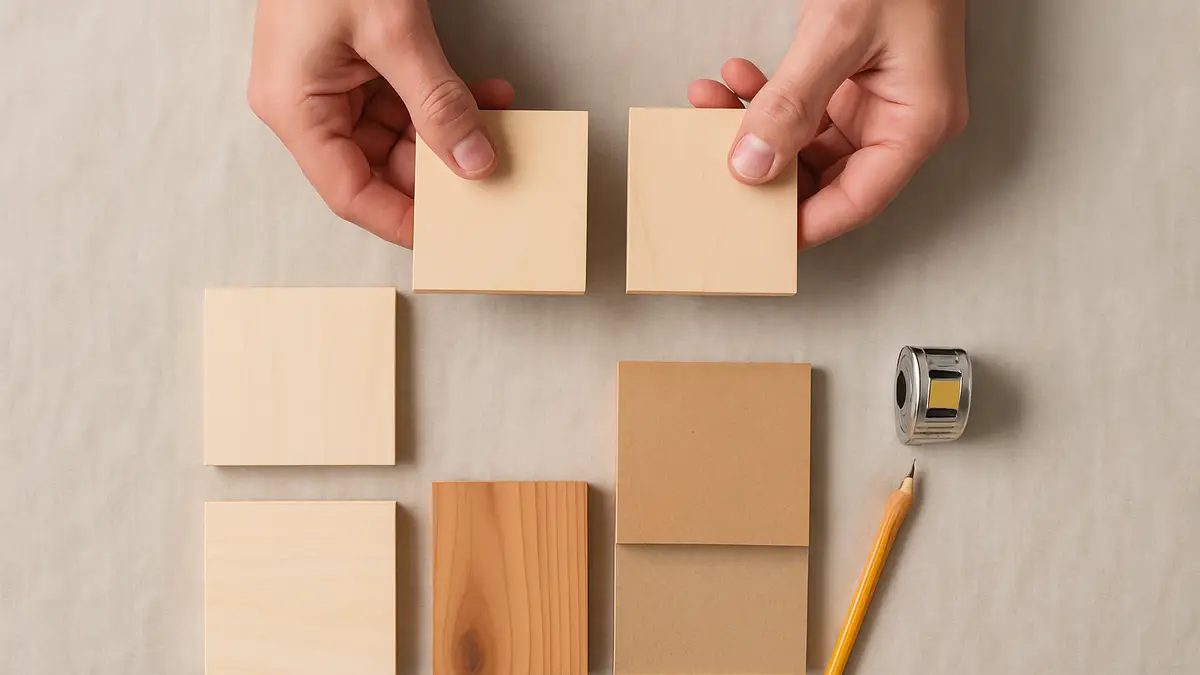
The right wood turns a closet from a place where clothes pile up into a system that actually works for how you live. Solid hardwoods like maple and birch plywood offer the best combination of strength and long-term durability for custom closet shelves, while engineered wood and MDF are budget-friendly options suited to lighter storage needs. The wood you choose affects how much weight your shelves can hold, how they respond to humidity, and how many years they’ll last before sagging or warping becomes a problem.
Choosing shelf material isn’t just a matter of picking whatever looks nice at the lumber yard. It’s a decision that shapes the daily function of one of the most-used spaces in your home. This guide breaks down the wood types, grades, and finishes worth knowing before you commit to a custom closet shelving project.
What Makes Wood the Right Choice for Closet Shelving
Wood remains the preferred material for closet shelving because it balances strength, appearance, and adaptability in ways that wire racks and laminate panels can’t match. A well-built wood shelf supports folded sweaters, shoe collections, and storage bins without flexing, and it can be sanded, stained, or repainted if your style changes down the road.
Unlike wire shelving, wood doesn’t leave ridges in delicate fabrics or let small items fall through gaps. It also holds up better structurally over time, since a properly supported wood shelf distributes weight evenly across its length instead of concentrating stress at a few contact points.
Popular Wood Types for Custom Closet Shelves
Not all wood performs the same way once it’s holding fifty pounds of folded linens. Here’s how the most common options compare.
- Solid Pine – Affordable and easy to work with, pine is a softwood that takes stain well but is more prone to denting and warping under heavy, sustained loads.
- Maple – A dense hardwood known for its smooth grain and resistance to sagging, maple is a popular choice for shelves that need to carry consistent weight over many years.
- Birch Plywood – Engineered from thin layers of birch veneer, this material offers excellent strength-to-weight ratio and resists warping better than solid softwoods.
- Cedar – Prized for its natural aroma and moth-repelling properties, cedar is often used in dedicated storage closets rather than as the primary structural shelf material.
- MDF (Medium-Density Fiberboard) – A cost-effective engineered option with a smooth, paintable surface, though it’s heavier than solid wood and can swell if exposed to moisture.
- Melamine-Coated Particleboard – Common in budget closet systems, this material offers a clean finish at a lower price point but has the shortest lifespan under heavy use.
For homeowners exploring which of these materials fits a specific layout, a look at available wood closet shelving options can help narrow down the right combination of appearance and structural support for a given room.
Factors to Consider When Choosing Shelf Wood
Picking the right material comes down to matching the wood’s properties to how the closet will actually be used. Walk through these factors before finalizing a decision.
1. Weight Load Requirements
Shoe collections, stacked bins, and folded bedding all add up. Hardwoods like maple or oak-veneer plywood handle heavier, consistent loads better than softwoods or particleboard, which can bow over time under sustained weight.
2. Humidity and Climate Exposure
Closets near bathrooms, laundry rooms, or basement spaces deal with more moisture than a standard bedroom closet. Solid hardwood and marine-grade plywood resist swelling better than MDF or particleboard, which absorb moisture and lose structural integrity faster.
3. Budget and Long-Term Value
Solid hardwood costs more upfront but typically outlasts engineered alternatives by a wide margin, which can make it the more economical choice over a ten- or fifteen-year span. Melamine and particleboard cost less initially but may need replacement sooner.
4. Finish and Aesthetic Goals
Some woods, like pine and maple, take stain beautifully and can be matched to existing cabinetry or trim. Others, like MDF, are better suited to a painted finish since their surface doesn’t have a natural wood grain to highlight.
5. Closet Type and Usage Pattern
A reach-in closet holding everyday clothing has different demands than a walk-in dressing room built around open shoe display shelving or a dedicated linen closet. Matching the wood grade to the closet’s actual role prevents overspending on durability that won’t be needed, or underspending in a space that sees heavy daily use.
Wood Grades and What They Mean for Durability
Wood is typically categorized by grade, which reflects the number of knots, blemishes, and inconsistencies in the material.
Grade | Appearance | Best Use |
Select/Premium | Minimal knots, uniform grain | Visible shelving in main living areas |
Standard | Some knots and grain variation | Everyday closet shelving |
Utility/Economy | Visible knots, less uniform | Storage areas, garages, less-visible spaces |
Higher grades cost more but deliver a cleaner finished look, which matters most in closets that double as dressing areas or are visible from adjoining rooms.
Common Mistakes to Avoid When Selecting Closet Wood
- Choosing based on price alone. The cheapest material often costs more in replacement and repair over time.
- Ignoring the closet’s humidity level. A material that works in a dry bedroom closet may fail in a laundry room closet within a few years.
- Skipping proper shelf support. Even high-quality wood will sag without adequate bracket spacing or center supports on longer spans.
- Overlooking edge banding on engineered wood. Exposed MDF or particleboard edges absorb moisture faster and chip more easily than banded edges.
How Professional Installation Improves Shelf Longevity
Material selection is only half the equation. Even the best hardwood will underperform if it’s installed with too much space between supports or mounted into wall studs incorrectly. Professionals who specialize in custom closet shelving projects account for the specific weight the shelf will carry, the span between supports, and the humidity of the room when recommending both material and installation method. Homeowners looking into wood closet shelving installation in Southampton, PA often find that a properly engineered support system extends the life of the shelving by years compared to a standard DIY install.
Getting the layout right from the start also prevents costly rework. A shelf that’s sized correctly for its intended load, whether that’s folded sweaters or a rotating shoe collection, holds up far better than one retrofitted after the fact. Homeowners weighing custom shelving solutions for a Southampton home often benefit from a design consultation that accounts for closet dimensions, storage goals, and material budget before any wood is cut.
Choosing shelf material is closely tied to broader space planning. If your closet feels cramped no matter what you store in it, reviewing strategies for maximizing small closet space alongside your wood selection can help you get more function out of the same square footage. Similarly, homeowners often find that new shelving transforms a closet’s usability far beyond what the material choice alone would suggest, since layout and material work together.
Create Custom Closet Shelves with Confidence
Selecting the right wood for custom closet shelves comes down to balancing weight requirements, humidity conditions, budget, and the finished look you want for the space. Hardwoods like maple and birch plywood offer the best long-term performance for most households, while softer woods and engineered materials can work well in lighter-use areas. Getting the material and the installation right the first time saves money and frustration down the road. For homeowners ready to plan a shelving project around the right material for their space, the design team at Closets Creation can help match wood type, grade, and layout to the way a closet is actually used.
Frequently Asked Questions
What is the best wood for closet shelves?
Maple and birch plywood are generally considered the best options for closet shelves because they resist sagging and hold up well under consistent weight, while still accepting stain or paint finishes cleanly.
Is plywood or solid wood better for closet shelving?
Plywood, particularly birch or maple veneer plywood, often outperforms solid wood for wide shelf spans because it resists warping better, though solid hardwood offers a more traditional appearance for visible shelving.
How thick should wood be for closet shelves?
Most closet shelves perform well at three-quarter-inch thickness, though spans longer than 36 inches without a center support may need additional bracing regardless of material.
Can MDF be used for closet shelving?
MDF works for closets with lighter, consistent loads and dry conditions, but it’s not ideal for spaces with high humidity or heavy, uneven weight distribution.
Does cedar prevent moths in a closet?
Cedar’s natural oils can help deter moths and add a pleasant scent, though the effect diminishes over time and works best in combination with proper cleaning and storage habits.
How much weight can a wood closet shelf hold?
A well-supported three-quarter-inch hardwood shelf can typically hold 30 to 50 pounds per linear foot, though actual capacity depends on the wood species, thickness, and spacing between supports.
What’s the difference between shelf grades?
Select or premium grade wood has fewer knots and a more uniform appearance, while standard and utility grades cost less but show more natural blemishes and grain variation.
How often should closet shelving be replaced?
Solid hardwood shelving can last several decades with proper support, while engineered materials like particleboard often need replacement or reinforcement within ten to fifteen years, especially in humid conditions.