
A walk-in closet promises a calm, clutter-free start to every day, yet plenty of them end up just as chaotic as the cramped reach-in they replaced. The difference almost always comes down to the features built into the space rather than the size of the room itself. A handful of well-chosen elements can turn an overstuffed jumble into a system where everything has a place and stays there.
Below, we look at the features that consistently make the biggest difference, along with practical ways to put them to work in your own home. Whether you are planning a brand-new build or rethinking a layout that never quite clicked, these ideas will help you get more out of every square foot.
Why the Right Features Matter More Than Square Footage
It is tempting to assume that a bigger closet automatically means less clutter, but space alone rarely solves the problem. Without structure, a large room simply gives mess more room to spread. What actually keeps a closet tidy is a thoughtful mix of storage types matched to what you own and how you use it.
That is why a layout you can comfortably step into works best when it is planned around real habits, not guesswork. The same principle applies to a compact footprint that still feels open — careful design beats raw square footage every time.
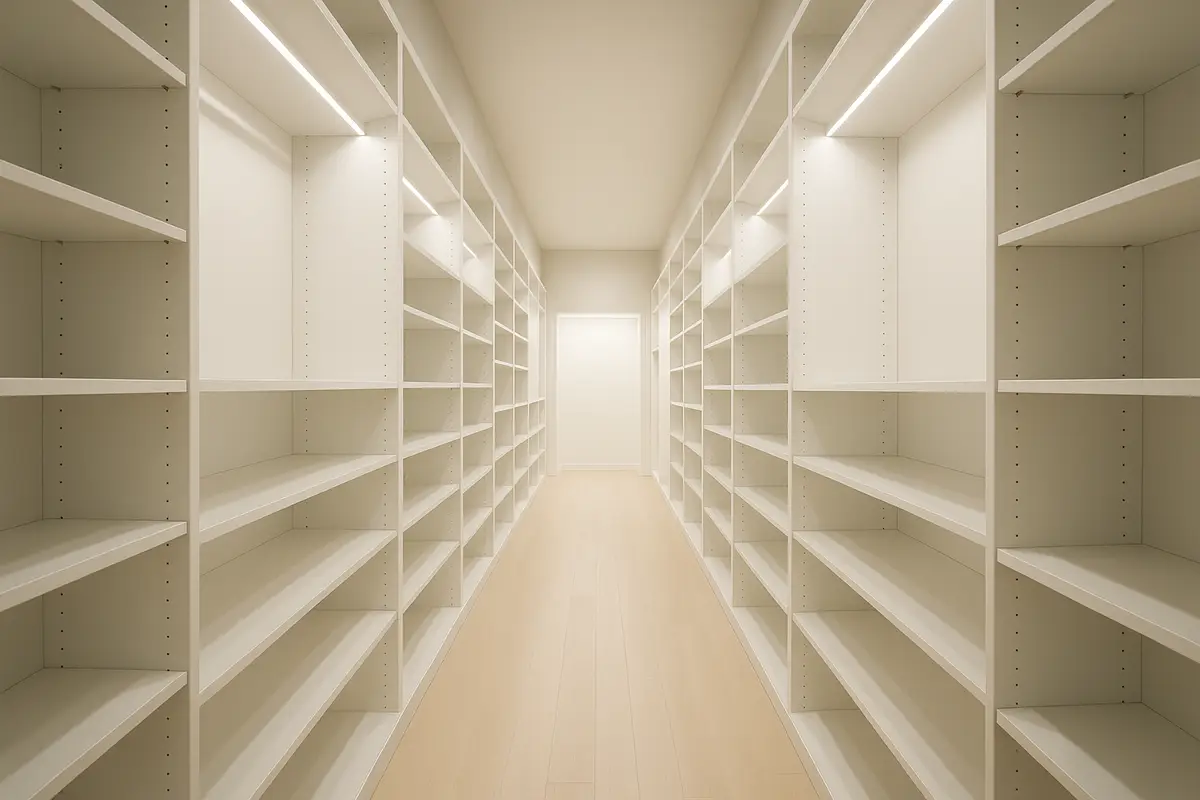
Adjustable Shelving That Grows With Your Wardrobe
Fixed shelves lock you into one arrangement, and wardrobes rarely stay the same for long. Adjustable shelving lets you raise, lower, or add tiers as your needs shift, so the closet keeps working whether you are storing bulky sweaters one season and folded tees the next.
Investing in purpose-built tiered storage is one of the simplest upgrades for cutting clutter, because it turns dead vertical space into usable capacity. If you love a natural look that also holds serious weight, warm timber organizers built to last pair durability with a finish that feels at home in any bedroom.
When shelving is fitted to the exact dimensions of your room, you avoid the awkward gaps and wasted corners that come with off-the-shelf kits.
Dedicated Zones for Every Type of Item
Clutter thrives when items have no clear home. The fix is to divide the closet into zones so similar things live together and stay easy to find.
Hanging Sections at Varying Heights
Not everything should hang from the same rod. Double-hung rods double your capacity for shirts and folded trousers, while a single tall section keeps dresses and long coats wrinkle-free. Setting rods at different heights makes the most of the wall and keeps garments visible at a glance.
Drawers and Cubbies for Smaller Items
Socks, belts, watches, and folded knits disappear fast when they have nowhere to go. Built-in drawers and open cubbies corral the small stuff that usually ends up in a pile on the floor. Pairing these with specialized organizing add-ons — think pull-out valet rods, tie racks, and jewelry trays — keeps even the tiniest items in order.
Built-In Features That Keep Surfaces Clear
Flat surfaces attract clutter like magnets. The closets that stay tidy are the ones that give every item a designated spot before it can land on a counter or bench. A few features that do the heavy lifting:
- Pull-out shoe shelves that angle pairs for easy viewing.
- Hampers tucked behind cabinet doors to keep laundry out of sight.
- Hooks and valet rods for tomorrow’s outfit or a worn-once jacket.
- Closed cabinetry for items you would rather keep hidden.
These touches keep the closet looking calm because the things that usually create visual noise stay neatly contained.
Smart Touches That Make Organizing Effortless
The best features are the ones that make staying organized feel automatic rather than like a chore. Good lighting, for instance, helps you actually see what you own, which means fewer forgotten items and fewer impulse duplicates. A full-length mirror and a small seating spot turn the closet into a true dressing area and reduce the urge to carry clothes elsewhere.
If you are mapping out which of these to prioritize, the step-by-step planning approach is a helpful framework, and these everyday tips for a tidier home offer quick wins you can apply right away. Working in tighter quarters? This smart guidance for snug layouts covers what to embrace and what to skip.
Down the road, we will also dig into lighting ideas that make a walk-in closet feel brighter and more inviting, clever ways to organize seasonal clothing rotations, and how to choose the right closet island for your storage needs — features worth considering as your space evolves.
Designing a Layout Around How You Live
Even the best features fall flat if the overall layout ignores your daily routine. The goal is a flow that matches the order you actually get dressed in, with everyday items at eye level and rarely used pieces up high or tucked away.
A shallower bedroom storage setup can borrow many of these same ideas on a smaller scale, proving that smart features matter more than the room’s footprint. For inspiration, our collection of finished projects shows how these elements come together in real homes.
When you are ready to plan a space that fits your wardrobe and your habits, book a free design consultation and our team will help you map it out.